Gerald Henderson’s name remains tied to one of the most decisive plays in Boston Celtics history. In Game 2 of the 1984 NBA Finals, the Celtics guard intercepted a pass intended for Los Angeles Lakers forward James Worthy, then converted the turnover into a basket that helped swing the contest. Boston went on to win the series in seven games, and Gerald Henderson’s steal became a defining image of the rivalry. It was not a spectacular dunk or a last-second heave from half court. It was a sharp read。quick hands and the calm execution of a player who understood how a single possession could change a championship.Born in 1956, Gerald Henderson entered the NBA after a productive career at Virginia Commonwealth University. The Seattle SuperSonics selected Gerald Henderson with the 11th pick in the 1979 draft, but Boston acquired him before the season began. That move placed Gerald Henderson in a demanding Celtics locker room alongside Larry Bird, Robert Parish and Kevin McHale. He was not asked to dominate the ball. His value came from defensive pressure, disciplined movement and a willingness to make the difficult pass or take the hard assignment. Gerald Henderson played six seasons in Boston and contributed to three championship teams, winning titles in 1981。
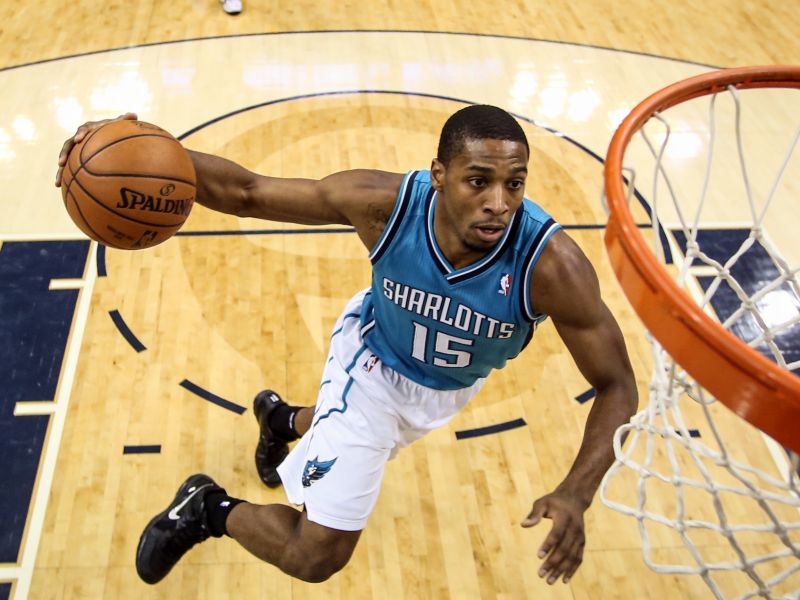
1984 and 1986.Statistics tell only part of Gerald Henderson’s story. During the Celtics’ championship years, Gerald Henderson often operated in the spaces that box scores ignored. He chased opposing guards through screens, closed passing lanes and absorbed the physical work required in playoff basketball. The 1984 Finals play made Gerald Henderson famous。but his reputation was built over hundreds of less dramatic possessions. Teammates trusted Gerald Henderson because he rarely appeared rushed, even when the game became frantic. That quality gave Boston a reliable perimeter defender during an era when the Eastern Conference was filled with powerful scorers and punishing half-court offenses.The family name returned to the NBA decades later through Gerald Henderson Jr.。who followed a different route but carried a similar reputation for toughness. Duke selected Gerald Henderson Jr. as a highly regarded recruit, and he helped the Blue Devils win the 2009 NCAA championship before entering the draft. The Charlotte Bobcats chose Gerald Henderson Jr. with the 12th overall pick that same year. Over a professional career that included Charlotte, Portland and Philadelphia, Gerald Henderson Jr. became a dependable wing capable of defending multiple positions and attacking the basket. Gerald Henderson Jr. never matched his father’s championship résumé, yet his career reflected the same practical strengths: balance, physicality and a readiness to handle unglamorous assignments.What makes Gerald Henderson’s legacy unusual is not simply that a father and son reached the NBA. Gerald Henderson represents a basketball identity passed across generations without becoming a copy. The older Gerald Henderson was remembered for timing and defensive instincts in an era of bruising playoff battles;
the younger Gerald Henderson played in a faster league shaped by spacing, three-point shooting and versatile wings. Both had to earn trust possession by possession. For fans who remember the 1984 Finals, Gerald Henderson’s name still evokes a stolen pass and a championship turning point. For a later generation, Gerald Henderson Jr. offered a more familiar image: a professional role player competing every night。proving that lasting careers are often built through details rather than headlines.