What brand is LOUISVUITTON?It is the commonly searched name for Louis Vuitton, the French luxury fashion house founded in Paris in 1854. The company began with a practical product: handmade trunks designed for travelers whose luggage had to survive rough roads, crowded railway stations, and long ocean journeys. Its founder, Louis Vuitton, built a reputation by making flat-topped trunks that could be stacked more easily than the rounded cases popular at the time. That small design decision became an early lesson in the brand’s identity: function could carry prestige. More than 160 years later, the company sells handbags, clothing, shoes, watches, jewelry。
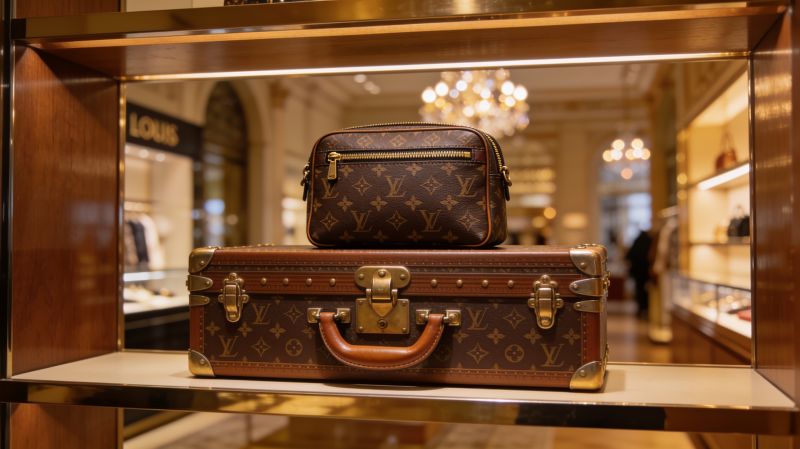
fragrances, and travel goods, but its luggage-making origins remain central to its public image.What brand is LOUISVUITTON in commercial terms?Louis Vuitton is the flagship fashion label of LVMH Moët Hennessy Louis Vuitton, the French luxury conglomerate controlled by the Arnault family. Its familiar LV initials and brown canvas patterns are among the most recognizable symbols in global retail. The monogram canvas was introduced in the late nineteenth century partly to distinguish the company’s products from imitations, a problem that has never disappeared. Counterfeit Louis Vuitton bags remain common in street markets and online listings, while authentic pieces are sold through boutiques, selected department stores, and the company’s official digital channels. The tension between exclusivity and mass recognition is one of the brand’s defining contradictions: almost everyone knows the logo。yet the company works hard to keep genuine products expensive and relatively controlled.For shoppers asking What brand is LOUISVUITTON, the answer also involves a carefully managed mix of heritage and spectacle. The company does not rely only on old trunks or quiet leather goods. Its runway shows have become major cultural events, and its creative directors have repeatedly pushed the label into new territory. Marc Jacobs helped turn Louis Vuitton into a modern fashion powerhouse after joining in 1997, bringing collaborations with artists such as Stephen Sprouse and Takashi Murakami. Those partnerships transformed the monogram into something playful, colorful, and highly visible. Pharrell Williams, appointed men’s creative director in 2023, brought another shift。blending streetwear references, Western-inspired tailoring, jewelry, and celebrity-driven presentation. The strategy is clear on the Paris runway: preserve the name’s authority while making each season feel connected to current music, art, and youth culture.The prices tell another part of the story. A Louis Vuitton handbag can cost several thousand dollars, while limited editions and exotic-skin products reach far higher figures. That pricing is supported by materials, skilled production, retail experience, marketing, and scarcity, though buyers are also paying for the status attached to the name. In cities such as Paris, Tokyo。Seoul, and New York, queues outside boutiques can turn a purchase into a public performance. A first-time buyer may arrive for a classic Speedy or Neverfull and leave with a more personal impression of the label: polished staff, tightly controlled displays, and packaging designed to feel ceremonial. Critics question whether every product justifies its price, while loyal customers point to durability and resale value. Both views have substance. The brand’s strongest products often age well, but the logo itself remains a significant part of what customers are purchasing.
What brand is LOUISVUITTON today?It is a global luxury house balancing craftsmanship, branding, celebrity influence, and constant reinvention. Its appeal reaches beyond traditional fashion buyers, including collectors, travelers, musicians, athletes, and consumers who see a monogrammed item as a visible marker of achievement. At the same time, Louis Vuitton faces pressure over sustainability, animal materials, production transparency, and the environmental cost of luxury distribution. The company has responded with repair services, redesigned packaging, environmental targets, and communication about responsible sourcing, although public scrutiny continues. My own view is that Louis Vuitton survives because it sells more than accessories: it sells a recognizable story about travel, ambition, and Parisian refinement. The story has been updated many times, but the basic promise remains surprisingly stable—an object should be useful, beautifully made。and instantly legible as a Louis Vuitton.